
Top 5 Must-Visit Temples in Bali: A Guide to Sacred Places
Home - Top 5 Must-Visit Temples in Bali: A Guide to Sacred Places

Bali is not just a tropical paradise known for its stunning beaches and vibrant nightlife; it's also an island rich in culture and spirituality. Temples, or “pura” as they are called in Balinese, are central to the island’s cultural and religious landscape. With more than 20,000 temples scattered across Bali, each one holds unique spiritual significance and showcases the island's rich heritage. For travelers, visiting these temples offers a glimpse into Bali's spiritual soul and a chance to witness architectural marvels that date back centuries. Here, we explore the top five must-visit temples in Bali that you shouldn't miss on your journey to the Island of the Gods.
1. Pura Besakih: The Mother Temple of Bali
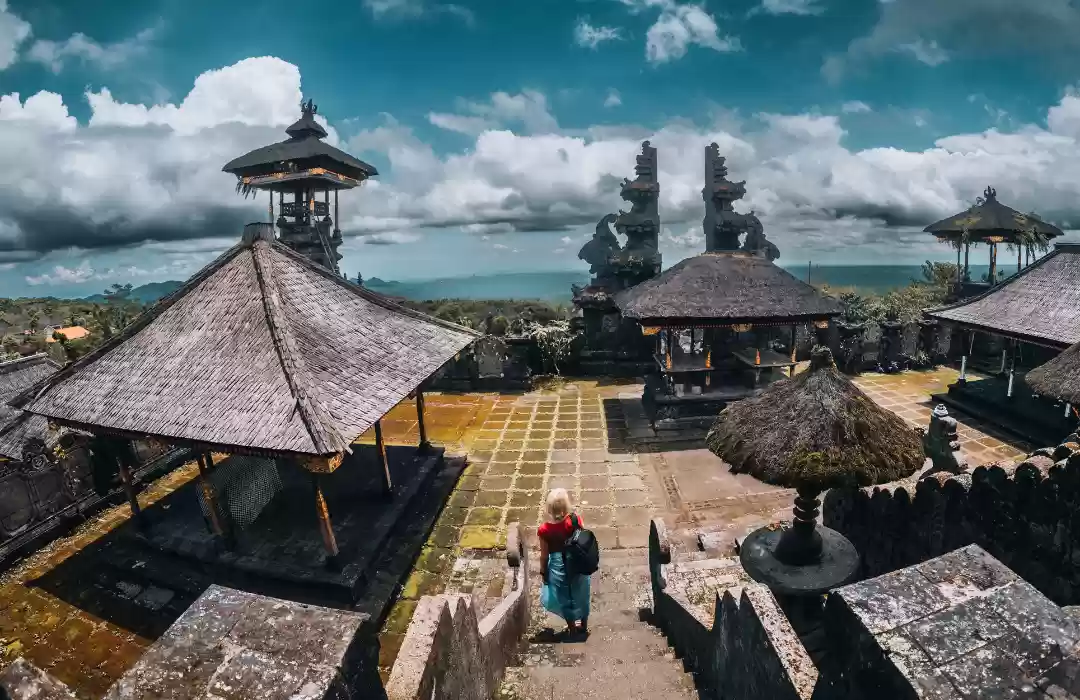
Pura Besakih, also known as the Mother Temple, is the largest and holiest temple complex in Bali. Located on the slopes of Mount Agung, Bali’s tallest volcano, this temple is surrounded by breathtaking views and lush landscapes. Pura Besakih consists of over 80 temples spread across six terraced levels, each adorned with intricate stone carvings, statues, and traditional Balinese architecture.
Besakih holds great significance for the Balinese people as it is dedicated to Hindu gods and ancestral spirits. The temple complex is divided into three main temples, each dedicated to the Hindu trinity: Brahma (the creator), Vishnu (the preserver), and Shiva (the destroyer). Pilgrims come here to pray, make offerings, and celebrate festivals, especially during Bali's major religious ceremonies.
For travelers, Pura Besakih offers a profound spiritual experience and a chance to witness Bali's oldest and most important temple complex. Visiting this sacred place allows you to appreciate its architectural beauty, the spirituality of the Balinese people, and the panoramic views of Mount Agung.
2. Tanah Lot: The Temple by the Sea

Tanah Lot is one of the most iconic temples in Bali, and for good reason. Perched on a rocky offshore island, Tanah Lot is surrounded by crashing waves and offers stunning views, particularly during sunset. This temple is dedicated to Dewa Baruna, the sea god, and is believed to protect Bali from evil sea spirits.
The temple’s location makes it an ideal spot for photographers and those who wish to experience the mystical ambiance of Bali’s coastal temples. As the sun sets, Tanah Lot is bathed in golden light, creating a breathtaking silhouette against the horizon. The temple is only accessible during low tide, allowing visitors to walk across the rock to explore the base of the temple.
Aside from the picturesque views, Tanah Lot offers a unique cultural experience. You’ll find many local vendors selling souvenirs, snacks, and holy water from nearby springs. Visiting Tanah Lot at sunset is highly recommended to witness one of Bali's most enchanting views.
3. Ulun Danu Bratan: The Floating Temple

Situated on the shores of Lake Bratan in Bedugul, Ulun Danu Bratan is a beautiful temple complex that appears to float on water. This temple is dedicated to Dewi Danu, the goddess of water, rivers, and lakes, making it an important site for local farmers who rely on water for their crops.
The cool mountain climate and misty surroundings of Lake Bratan create a serene and mystical ambiance, perfect for a peaceful temple visit. The temple complex features stunning pagodas, statues, and traditional Balinese architecture, with the lake and mountains as a backdrop. Visitors can rent paddle boats or take a stroll around the lake to appreciate the temple from different angles.
Ulun Danu Bratan is also a great spot for photography, particularly in the early morning when the temple reflects perfectly on the calm lake surface. This peaceful temple, surrounded by lush hills, is a must-visit for those who want to experience the spiritual tranquility and natural beauty of Bali’s highlands.
4. Uluwatu Temple: The Cliffside Marvel
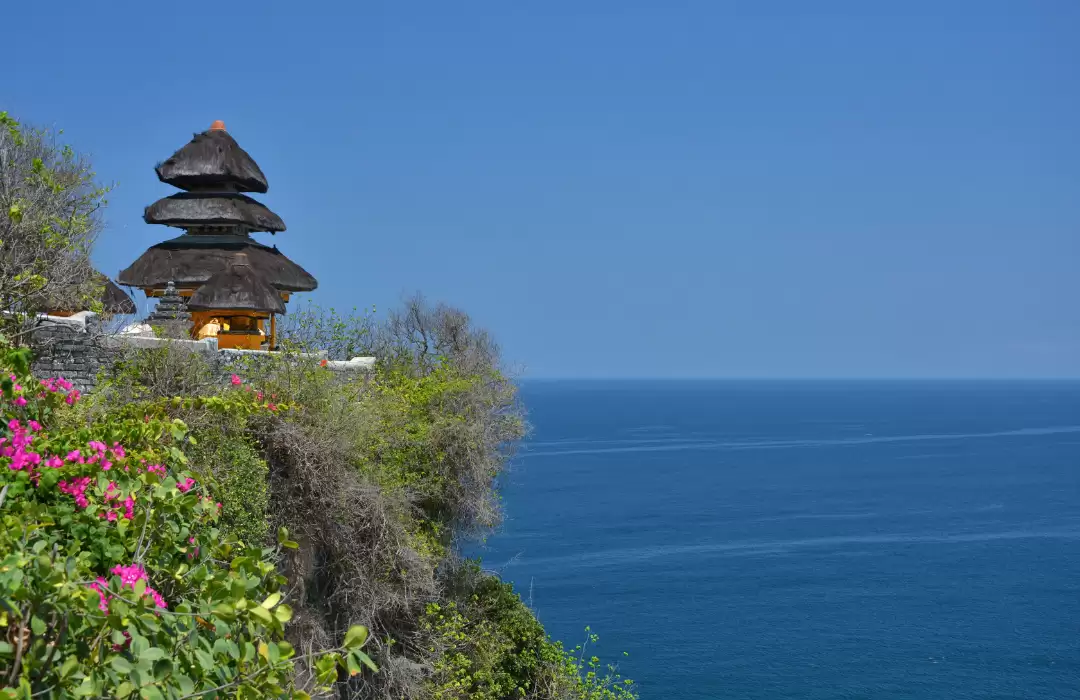
Uluwatu Temple, or Pura Luhur Uluwatu, is perched on a dramatic cliff 70 meters above the Indian Ocean. This temple is dedicated to Sang Hyang Widhi Wasa, the supreme god in Balinese Hinduism, and is considered one of Bali’s six key temples that protect the island from evil spirits.
The temple’s location on the southwestern tip of Bali provides breathtaking views of the ocean and sunset. Uluwatu Temple is famous not only for its spectacular scenery but also for its Kecak dance performances. Held every evening at sunset, the Kecak dance tells the story of the Ramayana epic and is accompanied by chanting and traditional music. Watching the Kecak dance with the sun setting over the ocean is a magical experience that combines culture, art, and nature.
Visitors should be cautious of the playful monkeys around the temple as they’re known for snatching belongings. However, the monkeys add a unique charm to the temple, making Uluwatu Temple a memorable experience for all.
5. Goa Gajah: The Elephant Cave Temple
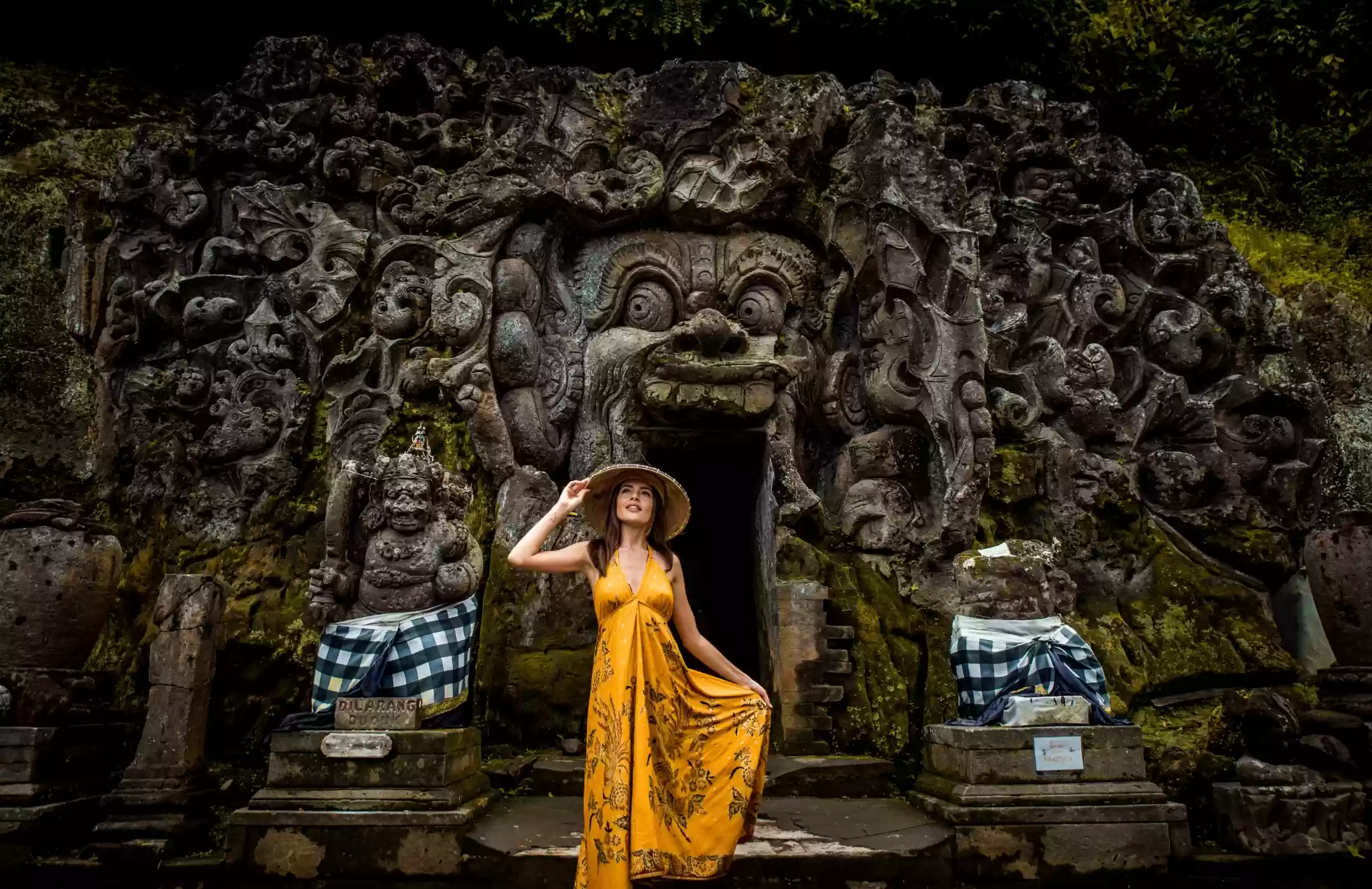
Unlike the other temples on this list, Goa Gajah is an ancient cave temple with a unique design and a mysterious past. Known as the "Elephant Cave" due to the carvings at its entrance, this temple dates back to the 9th century and is believed to be a place of meditation for Hindu and Buddhist monks.
The entrance to the cave is carved with a menacing face, often interpreted as the demon Bhoma, which is meant to protect the temple from evil spirits. Inside the cave, you’ll find statues of Hindu deities and a small meditation space. Outside, there are tranquil bathing pools with stone statues that spout water, surrounded by lush gardens and ancient relics.
Goa Gajah is a fascinating blend of history, spirituality, and artistry. It provides visitors with a glimpse into Bali’s ancient past and the island’s Hindu-Buddhist heritage. This unique site offers a different experience from Bali’s other temples and is well worth a visit.
Tips for Visiting Temples
When visiting temples in Bali, it’s important to follow a few etiquette guidelines to show respect for these sacred places.
- Dress Modestly: Visitors should wear a sarong and sash, which are often available for rent or provided at the temple entrance. Covering your shoulders and knees is a sign of respect.
- Visit Early or Late: Temples can get crowded, especially around sunset. To enjoy a more peaceful experience, consider visiting early in the morning or later in the afternoon.
- Be Mindful of Temple Rules: Certain areas within the temple may be restricted to visitors, as they are reserved for worship. Respect any signs or instructions from the temple staff.
- Beware of Monkeys: At temples like Uluwatu, monkeys are common and may try to snatch belongings. Keep a close eye on your items and avoid bringing food.
- Participate in the Culture: Many temples offer traditional performances, blessings, or ceremonies. Engaging in these activities can provide a deeper cultural experience.
Bali’s temples are more than just tourist attractions; they are sacred places that reflect the island's rich spiritual heritage and natural beauty. Whether you’re drawn by the architectural splendor, the breathtaking views, or the cultural significance, visiting these temples is an essential part of any Bali trip. By respecting these sites and embracing the local customs, you can enjoy a more meaningful and memorable experience.
For a hassle-free visit, consider booking a Bali Temple Tour through our website. Our knowledgeable guides will ensure you have an enriching and respectful experience, allowing you to fully appreciate the beauty and spirituality of Bali’s most iconic temples.

